7923 Lincoln Ave #100, Skokie, IL 60077


Many Skokie patients ask the same question before their first whitening appointment: is professional teeth whitening safe for your enamel and gums? It is a fair concern. Whitening treatments use peroxide-based agents that can feel intense. Understanding how these treatments work helps you make a confident, informed decision. This article breaks down the science, the risks, and who should proceed with caution.
How Professional Teeth Whitening Works on Enamel
Professional whitening uses hydrogen peroxide or carbamide peroxide to lift stains from tooth enamel. The peroxide penetrates the outer enamel layer and breaks apart pigmented molecules. This process does not remove enamel itself — it clears discoloration trapped within it.
At Skokie Dental, Dr. Tariq Hafeez uses clinically tested concentrations that are far more controlled than over-the-counter strips. The key difference is precision. A professional setting means the right strength is matched to your specific tooth and gum condition.
Research published in dental literature consistently shows that professionally supervised whitening does not significantly damage healthy enamel. Short-term mineral changes occur during treatment, but enamel re-mineralizes naturally afterward. Drinking water and using fluoride toothpaste accelerates that recovery.
Does Teeth Whitening Cause Gum Sensitivity — and Is It Dangerous?
Gum irritation is the most common side effect reported with whitening treatments. It usually happens when the bleaching gel contacts soft tissue. This is why professional application matters so much.
At a dental office, your gums receive a protective barrier before any gel is applied. This significantly reduces direct contact and irritation. Most patients experience only mild, temporary sensitivity that fades within 24 to 48 hours.
Serious gum damage from professionally supervised whitening is rare. However, patients with existing gum disease, receding gums, or open sores should postpone treatment. Whitening on compromised tissue can cause real discomfort and slow healing. Dr. Hafeez always evaluates gum health before recommending any whitening procedure.
- Protective barriers shield your gums during professional whitening
- Mild sensitivity is temporary and typically resolves within two days
- Active gum disease should be treated before any whitening begins
- Receding gums expose root surfaces that can react more intensely to peroxide
Which Patients Should Avoid Professional Whitening in Skokie
Professional whitening is safe for most healthy adults. However, some patients should avoid it or delay treatment until certain conditions are resolved. Knowing whether you fall into this group protects your long-term oral health.
Patients who should consult Dr. Hafeez before whitening include those with:
- Untreated cavities or cracked teeth — peroxide can penetrate and cause pain
- Active gum disease or significant gum recession
- Dental restorations like crowns, veneers, or bonding — these do not whiten
- Tooth sensitivity that is already severe or diagnosed
- Pregnancy or breastfeeding — whitening is generally postponed as a precaution
- Allergies to peroxide-based ingredients
Children and teenagers under 16 are also advised to wait. Their pulp chambers are larger, making teeth more reactive to whitening agents. This is a temporary limitation — not a permanent one.
If you are interested in broader smile improvements, Cosmetic Dentistry Skokie services at Skokie Dental can address discoloration alongside other aesthetic goals in a comprehensive plan.
Enamel Safety: Separating Fact from Myth
One of the most persistent myths is that whitening dissolves or permanently weakens enamel. This concern comes from misunderstanding how peroxide works. Studies show that whitening does not erode enamel structure when used correctly and in appropriate concentrations.
Overuse is where real risk enters the picture. Using high-concentration products too frequently — especially without professional guidance — can cause micro-surface changes. This is why Dr. Hafeez creates personalized treatment plans with recommended frequencies and rest periods.
Enamel erosion is far more commonly linked to acidic foods, sodas, and aggressive brushing than to professional whitening. Maintaining a balanced diet and using a soft-bristled toothbrush protects enamel far more than avoiding whitening altogether.
Another fact worth noting: whitening does not make teeth more vulnerable to decay. Cavity development depends on bacterial activity and sugar exposure — not peroxide use. Keeping up with regular teeth cleaning appointments at Skokie Dental remains your best decay prevention strategy.
What to Expect During a Professional Whitening Visit at Skokie Dental
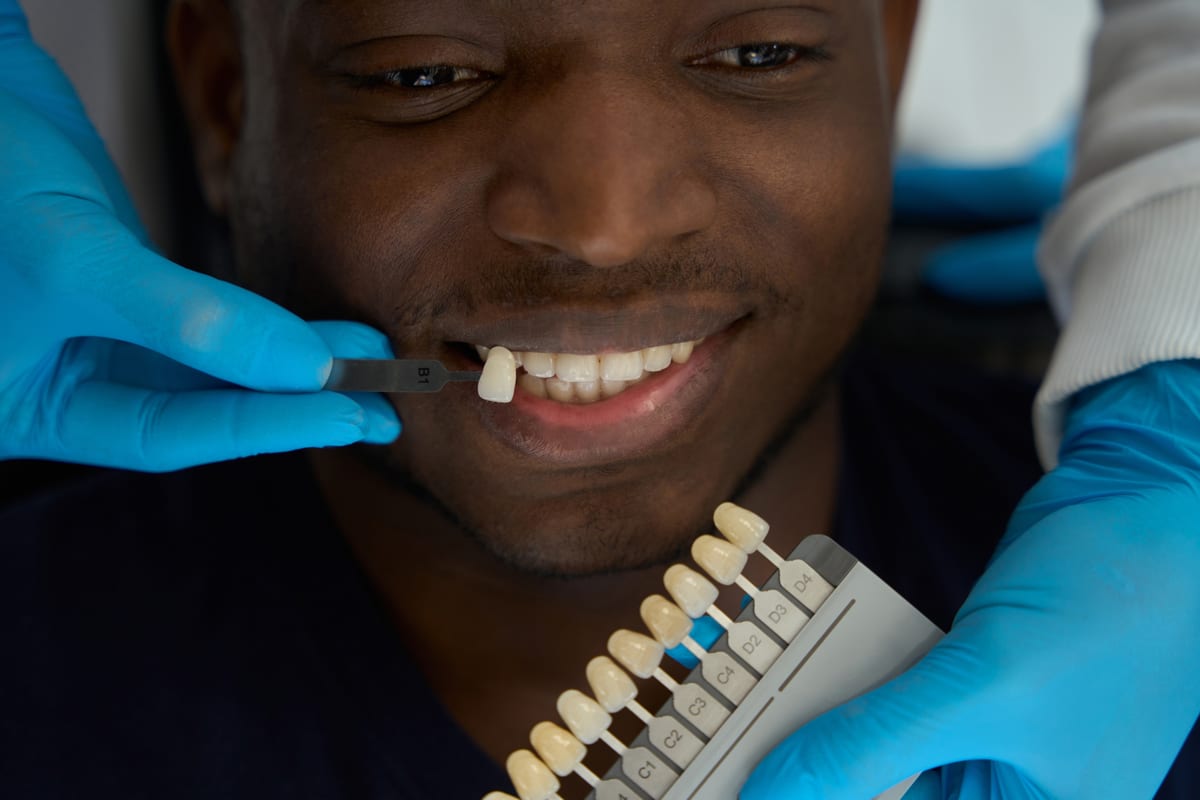
Dr. Hafeez begins every whitening consultation with a thorough exam. He checks for cavities, gum health, and existing restorations. This step ensures whitening is both safe and appropriate for your smile.
During the treatment itself, a cheek retractor holds your lips back gently. A gum barrier is applied and hardened with a curing light. The whitening gel is then painted onto your teeth in controlled intervals.
Most in-office sessions take about 60 to 90 minutes. Results are visible immediately. Post-treatment instructions include avoiding dark-colored foods and beverages for at least 48 hours to maximize and protect your results.
If a dental emergency arises during or shortly after treatment — such as unexpected pain or a cracked tooth — Emergency Dentistry Skokie services are available at Skokie Dental to address urgent needs quickly.
Conclusion: Making a Safe, Informed Whitening Decision
Professional teeth whitening is considered safe for most healthy patients when performed or supervised by a licensed dentist. Enamel is not permanently damaged by correctly administered peroxide treatments. Gum sensitivity is manageable and short-lived in the vast majority of cases.
The most important step is a proper evaluation before treatment begins. Dr. Tariq Hafeez and the team at Skokie Dental take a patient-first approach to every cosmetic procedure. Safety is always the starting point — not an afterthought.
If you want to learn whether professional whitening is right for your smile, we are here to help with honest, straightforward guidance. Book Now to schedule your appointment with our team.
Frequently Asked Questions
Is professional teeth whitening safe for sensitive teeth?
It can be, but sensitivity requires extra care. Dr. Hafeez may recommend a lower-concentration gel or a shorter treatment time. Using a desensitizing toothpaste before and after whitening also helps reduce discomfort significantly.
How often can I safely whiten my teeth?
Most dental professionals recommend in-office whitening no more than once or twice per year. Touch-up treatments can be done less intensively between visits. Overuse increases the risk of temporary sensitivity and should always be guided by your dentist.
Will whitening damage my crowns or veneers?
No — but whitening will not change the color of crowns, veneers, or bonded restorations either. These materials do not respond to peroxide. If you have visible restorations, Dr. Hafeez will discuss realistic expectations before treatment begins.
Can whitening cause permanent gum damage?
Permanent gum damage from professionally supervised whitening is extremely rare. Temporary irritation is more common and resolves quickly. Patients with existing gum disease should treat that condition first before pursuing any whitening treatment.
What is the difference between professional whitening and whitening strips?
Professional whitening uses higher-strength, clinically tested formulas applied with precision and gum protection. Over-the-counter strips use lower concentrations with no customized fit. Professional treatment produces faster, more even results with a significantly lower risk of gum exposure and irritation.