7923 Lincoln Ave #100, Skokie, IL 60077

Thinking about veneers? You’re not alone. Many patients in Skokie are curious about this popular smile transformation. But before you schedule a consultation, it helps to know whether you’re actually a good candidate. Are your teeth actually ready for veneers? Take this quick quiz in Skokie and find out what Dr. Tariq Hafeez looks for before recommending this treatment. Understanding candidacy upfront saves time and sets realistic expectations.
What Are Veneers and Who Are They For?
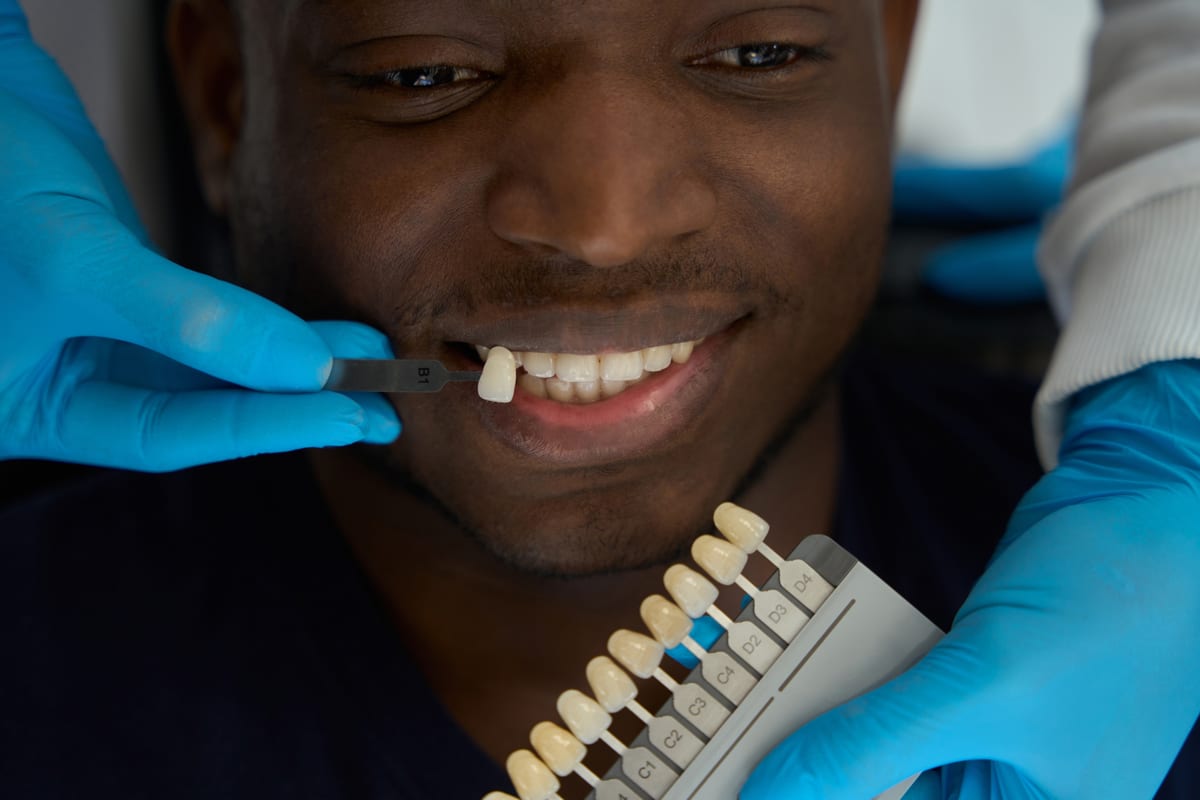
Veneers are thin porcelain or composite shells bonded to the front of your teeth. They correct discoloration, chips, gaps, and minor misalignment. They don’t fix every dental problem, though. That’s why a self-screening checklist is so valuable before your visit.
Veneers work best for patients with Cosmetic Dentistry Skokie goals like improving smile aesthetics. They are not a solution for severely damaged or decayed teeth. The best candidates have mostly healthy teeth with surface-level concerns.
Keep reading to work through each candidacy factor. Be honest with yourself as you go. This quiz will help you walk into your appointment feeling informed and confident.
Quick Quiz: Are Your Teeth Ready for Veneers in Skokie?
Answer yes or no to each question below. The more “yes” answers you have, the stronger your candidacy. A few “no” answers don’t rule you out entirely — they just mean there may be prep work involved first.
- Do you have sufficient tooth enamel? Veneers require a small amount of enamel removal. Teeth with very thin enamel may not be suitable candidates.
- Are your gums healthy with no signs of disease? Gum disease must be fully treated before veneers can be placed safely.
- Do you have a relatively even bite? Severe overbites or underbites create excess pressure on veneers and may cause them to crack.
- Are your teeth free from active decay? Cavities must be treated before any cosmetic work begins. Veneers placed over decay will fail quickly.
- Do you avoid habits like nail biting or teeth grinding? These habits significantly shorten the lifespan of veneers.
- Are your teeth only mildly misaligned? Severely crooked teeth may require orthodontic treatment like Invisalign first.
- Are you committed to good oral hygiene? Veneers last longer when patients brush, floss, and visit their dentist regularly.
Count your “yes” answers. Five or more suggests strong candidacy. Fewer than five means Dr. Hafeez will likely recommend preparatory treatment first. Either way, a professional evaluation is the definitive next step.
Tooth Structure Requirements: What Dr. Hafeez Checks First
Enamel health is the foundation of veneer candidacy. Dr. Hafeez evaluates enamel thickness during your consultation exam. Too little enamel means the bonding process becomes unreliable. Patients with enamel erosion may need alternative restorations like crowns instead.
Existing decay is another automatic disqualifier — temporarily. Cavities don’t permanently exclude you from veneers. They do mean you need restorative treatment before moving forward. Once decay is resolved, veneer candidacy can be reassessed.
Tooth size and shape also matter. Teeth that are severely worn down may not provide enough surface area for proper veneer adhesion. Dr. Hafeez takes detailed measurements and digital impressions to evaluate this accurately.
Gum Health and Bite Considerations That Affect Candidacy
Healthy gums are non-negotiable for successful veneers. Inflamed or receding gums compromise the margins where veneers meet your natural tooth. Bacteria can infiltrate those margins and cause decay underneath the veneer. Patients with active gum disease must complete periodontal treatment first.
Your bite plays an equally important role. Patients with significant malocclusion put uneven stress on veneers. That stress leads to chipping or complete debonding over time. In some cases, orthodontic treatment or a night guard is recommended before or alongside veneers.
Bruxism — or nighttime teeth grinding — is one of the most common reasons patients need extra preparation. Grinding exerts enormous force on porcelain. Dr. Hafeez often prescribes a custom night guard to protect veneer investments for grinding patients.
Habits and Lifestyle Factors That Matter More Than You Think
Your daily habits directly affect how long your veneers last. Certain behaviors can compromise even the most expertly placed veneers. Knowing these factors helps you make informed decisions about your lifestyle alongside your treatment.
Here are habits that may affect your veneer candidacy or longevity:
- Teeth grinding or clenching — Significantly increases the risk of veneer fracture
- Nail biting or chewing on hard objects — Creates localized pressure that can crack porcelain
- Tobacco use — Stains composite veneers and affects gum health over time
- Excessive consumption of staining foods and drinks — Affects composite resin veneers more than porcelain
- Inconsistent oral hygiene — Leads to decay at the veneer margins, causing premature failure
None of these habits automatically disqualify you. But they do require honest discussion with Dr. Hafeez. Addressing them proactively leads to better outcomes and longer-lasting results.
What Happens If You’re Not Quite Ready Yet?
Don’t be discouraged if your quiz results suggest you need preparation first. Many patients in Skokie complete preparatory treatment and go on to get beautiful veneers. The process simply takes a bit longer. Dr. Hafeez creates a personalized treatment plan that works toward your smile goals safely.
Common preparatory treatments include:
- Cavity fillings to address active decay
- Scaling and root planing for gum disease
- Invisalign to correct moderate misalignment
- Teeth cleaning to establish a healthy oral hygiene baseline
- Night guard fitting for grinding and clenching patients
In rare cases where a dental emergency arises during your evaluation process, Emergency Dentistry Skokie services are also available at Skokie Dental. Dr. Hafeez handles urgent concerns before cosmetic work begins. Your safety and dental health always come first.
Once preparatory treatment is complete, veneer placement is a smooth and rewarding process. Most patients see dramatic smile improvements within just a few appointments. The wait is absolutely worth the result.
Your Next Step Toward a Veneer-Ready Smile in Skokie
This quick quiz gives you a helpful starting point. But only a clinical exam by Dr. Tariq Hafeez can confirm your veneer candidacy with certainty. Skokie Dental uses digital imaging and comprehensive evaluations to give you accurate, personalized guidance. No guesswork, no pressure — just honest professional advice.
Veneers are a life-changing investment in your smile and confidence. Getting the foundation right makes all the difference in how long they last. Whether you’re ready today or need a few preparatory steps, Dr. Hafeez will guide you every step of the way.
Take the first step toward your best smile today. Book Now to schedule your appointment with our team.
Frequently Asked Questions
How do I know if I have enough enamel for veneers?
Only a dentist can confirm enamel thickness with certainty. During your consultation, Dr. Hafeez examines your enamel using digital X-rays and visual inspection. Patients with enamel erosion from acid reflux or aggressive brushing may have less enamel available. Alternative options like crowns may be recommended in those cases.
Can I get veneers if I grind my teeth at night?
Yes, but with precautions. Teeth grinders can still receive veneers, but Dr. Hafeez typically recommends a custom night guard first. The night guard protects the porcelain from the extreme forces generated during grinding. This dramatically extends the lifespan of your veneers.
Do I need to fix my gum disease before getting veneers?
Yes, absolutely. Active gum disease must be fully treated before veneers are placed. Unhealthy gums can cause veneer margins to fail and allow bacteria to reach the underlying tooth. Once gum health is restored, you can safely proceed with veneer treatment.
Will I need Invisalign before getting veneers?
It depends on the severity of your misalignment. Mild crowding or spacing can often be addressed with veneers alone. More significant bite or alignment issues benefit from orthodontic treatment first. Dr. Hafeez evaluates your bite carefully and recommends the most effective sequence of treatment.
How long do veneers last for most patients?
Porcelain veneers typically last 10 to 15 years with proper care. Composite veneers generally last 5 to 7 years. Longevity depends on your oral hygiene habits, diet, and whether you protect your veneers with a night guard if needed. Regular dental visits at Skokie Dental help maximize the lifespan of your veneers.