7923 Lincoln Ave #100, Skokie, IL 60077

If you’re an adult considering orthodontic treatment near Morton Grove, you’ve likely asked the same question: Invisalign vs braces — which actually works better for adults? Both options straighten teeth effectively. But they differ in comfort, appearance, cost, and how they fit into a busy adult lifestyle. Dr. Tariq Hafeez at Skokie Dental helps patients from Morton Grove and the surrounding area make this important choice every day. This guide breaks it all down so you can decide with confidence.
Invisalign vs Braces: Key Differences Adults Should Know
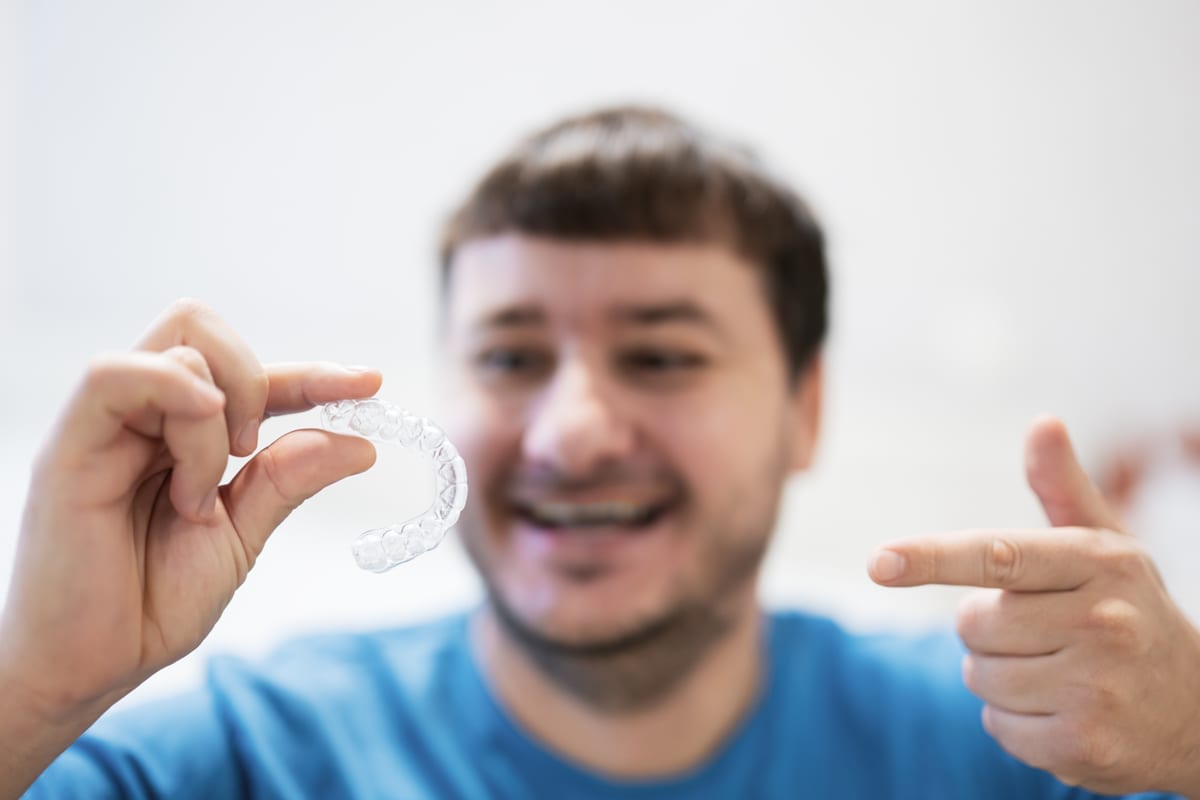
Traditional braces use metal brackets and wires bonded directly to your teeth. They apply constant, gentle pressure to shift teeth into position. Invisalign uses a series of clear, removable plastic aligners custom-made for your mouth. Both systems work — but they feel and function very differently in daily life.
Adults tend to prioritize aesthetics and convenience. That’s where Invisalign often wins. The clear aligners are nearly invisible when worn. Most coworkers and friends won’t even notice you’re in treatment.
Braces, on the other hand, are fixed in place 24/7. You cannot remove them for meals or special occasions. For adults managing professional and social lives, that distinction matters a great deal.
Comfort and Daily Life: How Each Option Feels for Adults in Morton Grove
One of the most common concerns is comfort. Traditional braces can cause irritation. Metal brackets and wires rub against cheek tissue, especially in the first few weeks. Wires can occasionally poke and require emergency adjustments.
Invisalign aligners are made from smooth BPA-free plastic. They rarely cause the same kind of soft-tissue irritation. You may feel pressure when switching to a new aligner tray, but most patients describe it as mild and short-lived.
Eating is another major lifestyle factor. With braces, you must avoid certain foods entirely. Popcorn, hard candy, and chewy bread can damage brackets. Invisalign aligners are removed before every meal. You eat whatever you like, then brush before reinserting the trays.
- Invisalign allows you to eat all foods without restriction
- Brushing and flossing are easier with removable aligners
- Metal braces may require special flossing tools and extra care
- Invisalign trays are swapped every 1–2 weeks at home
- Braces require in-office adjustments every 4–6 weeks
Treatment Effectiveness: What Each Option Can and Cannot Fix
This is where the comparison gets more nuanced. Braces are highly effective for complex cases. They correct severe crowding, significant bite misalignment, and rotated teeth more predictably. Orthodontists have used braces for decades with well-documented outcomes.
Invisalign technology has advanced significantly in recent years. It now treats a wide range of cases that once required braces. Mild to moderate crowding, spacing issues, and many bite corrections are all within Invisalign’s scope. Dr. Hafeez will evaluate your specific case to determine what your teeth actually need.
For some adults, braces may still be the recommended choice. Complex skeletal issues or severe malocclusion may respond better to fixed appliances. An honest consultation will clarify which path gives you the best long-term results.
- Invisalign works well for mild to moderate crowding and spacing
- Traditional braces handle complex rotations and bite corrections more reliably
- Both options produce lasting results when treatment is completed properly
- Retainer use after treatment is essential for both methods
Compliance, Cost, and Commitment: The Adult Reality
Here’s something many patients don’t hear upfront: Invisalign only works if you wear the aligners. The recommended wear time is 20–22 hours per day. Removing them too often or forgetting to reinsert them slows treatment dramatically. Adults who travel frequently or have unpredictable schedules should be honest about this commitment.
Braces remove that variable entirely. Because they’re fixed, you can’t accidentally skip a day of treatment. For patients who worry about self-discipline, braces offer a reliable structure that doesn’t depend on daily compliance choices.
Cost is another practical factor. Invisalign and braces fall within a similar price range for most adult cases. The exact fee depends on treatment complexity and duration. Skokie Dental provides transparent cost breakdowns during consultations so you know what to expect before starting.
Our practice also offers Cosmetic Dentistry services for patients who want to enhance their smile beyond alignment alone. Teeth whitening and veneers can complement orthodontic results beautifully.
Which Option Is Right for You? A Morton Grove Perspective
The best choice depends on your specific dental anatomy, lifestyle, and goals. Adults in Morton Grove who want discretion and flexibility often prefer Invisalign. Those with more complex tooth movement needs may get faster, more predictable results with braces.
Dr. Hafeez takes time to understand each patient’s priorities. He examines x-rays, bite alignment, and tooth positions before making any recommendation. The goal is never to upsell a treatment — it’s to match the right solution to your mouth and your life.
If you experience any dental discomfort or urgent issues during treatment, our team also provides Emergency Dentistry care to keep your progress on track without unnecessary delays.
Adults near Morton Grove deserve straightforward answers, not confusing sales pitches. Whether Invisalign or braces is the right path, starting sooner means achieving your smile goals sooner. Book Now to schedule your appointment with our team.
Frequently Asked Questions
Is Invisalign really as effective as braces for adults?
For mild to moderate alignment issues, Invisalign delivers results comparable to traditional braces. More complex cases may still respond better to fixed braces. A thorough exam with Dr. Hafeez will determine which option suits your specific needs.
How long does Invisalign treatment take compared to braces?
Invisalign treatment for adults typically ranges from 12 to 18 months. Traditional braces often require 18 to 24 months or longer for complex cases. Simpler alignment issues can sometimes be resolved faster with Invisalign.
Can adults near Morton Grove get Invisalign at any age?
Yes. Invisalign has no upper age limit. As long as your gums and bone structure are healthy, you’re a candidate regardless of age. Many adults in their 30s, 40s, and beyond successfully complete Invisalign treatment.
What happens if I lose or damage an Invisalign tray?
Contact your dental provider right away. Dr. Hafeez can order replacement trays or advise you to move to the next set early depending on your progress. Keeping your case and previous trays on hand is always a good precaution.
Do I still need a retainer after Invisalign or braces?
Yes. Retainer use is essential after both types of treatment. Teeth naturally want to shift back to their original positions. Wearing your retainer as directed protects your investment and keeps your results permanent.