7923 Lincoln Ave #100, Skokie, IL 60077

Fear of root canals is incredibly common. Most of that fear comes from not knowing what to expect. Understanding what you’ll actually feel during a root canal procedure in Skokie can make a huge difference. At Skokie Dental, Dr. Tariq Hafeez wants every patient to walk in feeling informed and calm.
Modern root canal treatment has come a long way. It is nothing like the painful experience many people imagine. In fact, most patients say the procedure feels similar to getting a simple filling. Let’s walk through exactly what happens — and what you’ll feel at every stage.
What You’ll Feel Before the Procedure Begins
Your appointment starts with a brief conversation. Dr. Hafeez will review your X-rays and explain the plan. This is a great moment to ask any questions you have. Knowing what’s coming helps reduce anxiety significantly.
Next comes the most important part of comfort: local anesthesia. Dr. Hafeez applies a topical numbing gel to your gum first. You’ll feel a slight pressure as the anesthetic is injected — not a sharp sting. Within a minute or two, the entire area goes completely numb.
Once you’re numb, you should feel no pain at all. Some patients feel mild pressure or vibration during the procedure. That is completely normal and expected. The goal is to keep you comfortable from start to finish.
Step-by-Step: What You’ll Actually Feel During a Root Canal Procedure in Skokie
Here is a clear breakdown of each stage and the sensations you can expect:
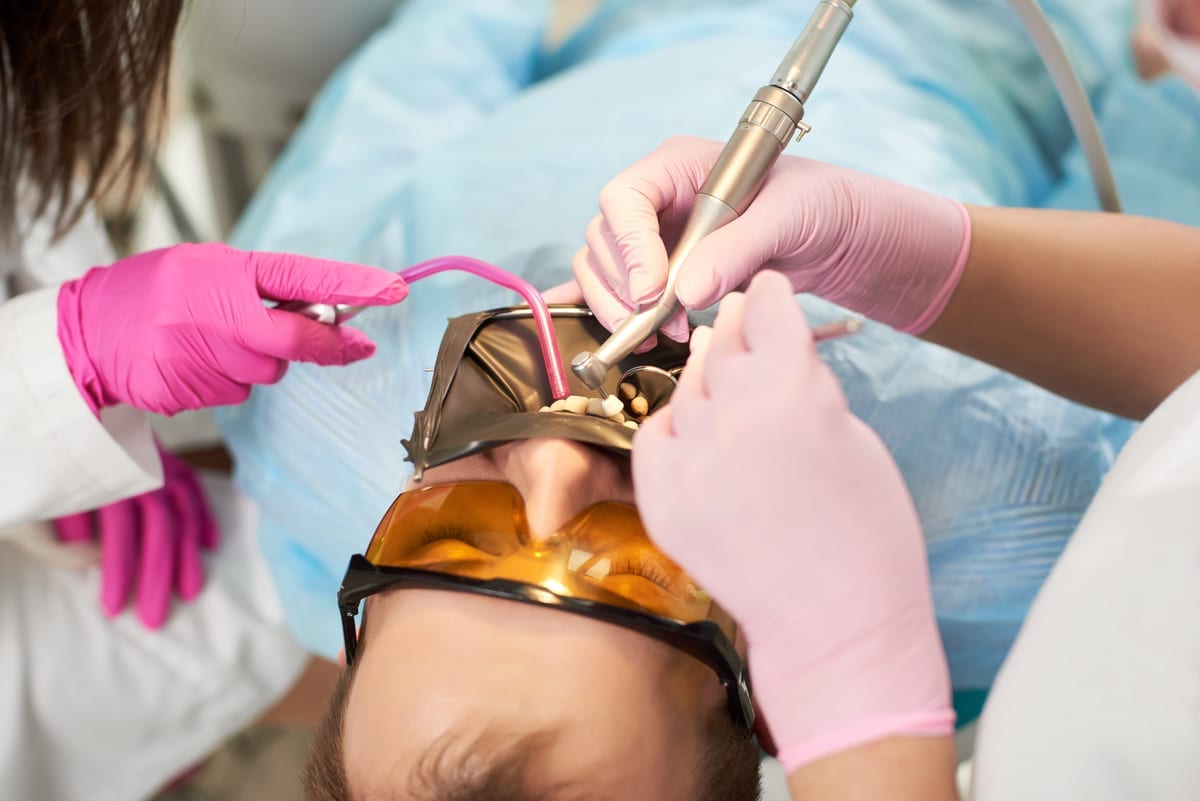
- Isolation: A small rubber dam is placed around the tooth. You’ll feel a gentle clip near your tooth. This keeps the area dry and clean during treatment.
- Access opening: Dr. Hafeez creates a small opening in the top of the tooth. You may hear a light drilling sound. You will feel zero pain because the area is fully numb.
- Removing the pulp: Tiny instruments clean the inside of the tooth’s canals. You might feel mild pressure or vibration. There is no sharp pain involved at this stage.
- Shaping and cleaning: The canals are carefully shaped and rinsed. You may taste a faint antiseptic rinse. This part is thorough but not uncomfortable.
- Filling the canals: A material called gutta-percha fills and seals the canals. You’ll feel gentle pressure as it is placed. The tooth is then sealed with a temporary or permanent filling.
The entire procedure typically takes 60 to 90 minutes. Complex cases with multiple canals may require a second visit. Dr. Hafeez will always explain your specific timeline upfront.
What You’ll Feel After the Procedure
Once the anesthesia wears off, some mild soreness is normal. This usually lasts one to three days. Over-the-counter pain relievers handle it well for most patients.
Your tooth and surrounding gum may feel tender to the touch. Avoid chewing hard foods on that side for a day or two. Most patients return to their normal routine the very next day.
Here are some common post-procedure sensations to expect:
- Mild aching or sensitivity around the treated tooth
- Slight soreness in the jaw from keeping your mouth open
- Minor gum tenderness near the injection site
- A feeling of pressure when biting down
These sensations are a normal part of healing. They are not a sign that something went wrong. If you experience severe or worsening pain, contact Skokie Dental right away. That level of discomfort is not typical and should be evaluated promptly.
Why Patients in Skokie Choose Root Canal Treatment Over Extraction
Many patients wonder if tooth extraction is the easier option. In most cases, saving the natural tooth is a much better long-term choice. Root canal treatment preserves your bite, bone structure, and alignment. It avoids the need for more extensive restorative work later.
Replacing a missing tooth often requires a dental implant or bridge. Those are effective solutions, but they come with additional steps and healing time. Keeping your natural tooth through root canal therapy is almost always the preferred path.
Root canal treatment also protects your neighboring teeth. When a tooth is lost, adjacent teeth can shift over time. That shifting can create bite problems and other complications down the road.
If you ever experience a dental emergency — like sudden severe tooth pain — you may need care right away. Emergency Dentistry Skokie is available at Skokie Dental to address urgent situations quickly. Don’t wait and let the problem worsen.
What Comes After Root Canal Treatment
Most teeth that receive root canal therapy need a dental crown afterward. The crown protects and strengthens the treated tooth. Dr. Hafeez will discuss whether a crown is right for your situation.
Once your tooth is fully restored, it functions just like any other tooth. You can eat, chew, and smile with complete confidence. With proper care, a root canal-treated tooth can last a lifetime.
After your tooth heals, you may also want to explore ways to improve your smile’s appearance. Cosmetic Dentistry Skokie offers a range of options including teeth whitening, veneers, and Invisalign. Many patients use their post-treatment visit as a chance to discuss these possibilities with Dr. Hafeez.
At Skokie Dental, we believe great dental health and a beautiful smile go hand in hand. We’re here to support you at every stage of your care. Whether you need urgent treatment or a cosmetic refresh, our team is ready. Book Now to schedule your appointment with our team.
Frequently Asked Questions
Does a root canal hurt during the procedure?
No. With modern local anesthesia, you should feel no pain during the procedure. Most patients feel only mild pressure or vibration. Dr. Hafeez ensures you are fully numb before any treatment begins.
How long does a root canal procedure take at Skokie Dental?
Most root canals take between 60 and 90 minutes in a single visit. Teeth with multiple canals or complex anatomy may require a second appointment. Dr. Hafeez will give you a clear timeline before starting.
What should I do if I have pain after my root canal?
Mild soreness for one to three days is completely normal. Over-the-counter pain relievers typically manage it well. If you experience severe or worsening pain, contact Skokie Dental right away for an evaluation.
Do I need a crown after a root canal?
In most cases, yes. A dental crown protects the treated tooth and restores full chewing function. Dr. Hafeez will assess your specific tooth and recommend the best restoration option for you.
Is root canal treatment better than tooth extraction?
In most situations, saving your natural tooth through root canal therapy is the preferred choice. It preserves your bite, prevents neighboring teeth from shifting, and avoids more complex restorative procedures later. Dr. Hafeez will always discuss all your options so you can make an informed decision.