7923 Lincoln Ave #100, Skokie, IL 60077

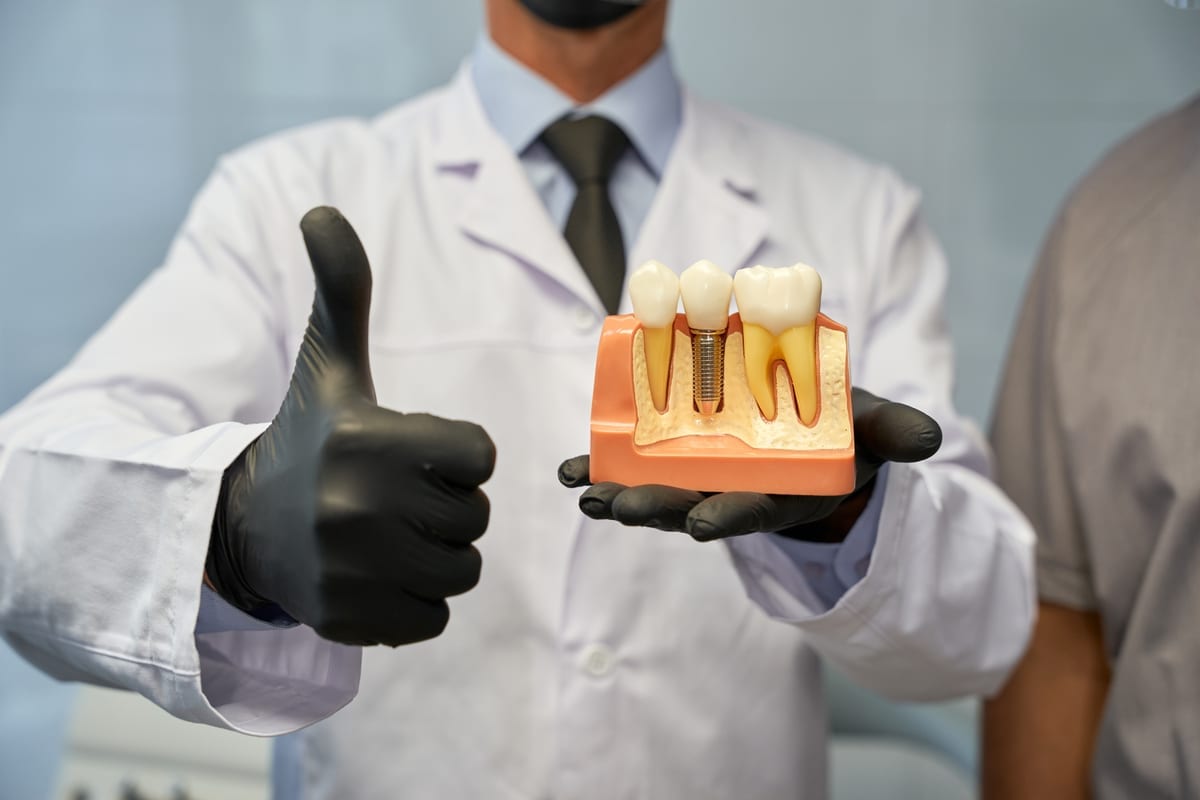
If you’ve been asking yourself, am I a good candidate for dental implants, you’re not alone. Many patients near Evanston come to us with that exact question. It’s honest, it’s smart, and it deserves a real answer. At Skokie Dental, Dr. Tariq Hafeez believes you deserve clear information — not a sales pitch.
Dental implants can be life-changing. They look natural, feel stable, and function like real teeth. But they aren’t right for everyone. Understanding the factors that determine candidacy helps you make a confident, informed decision.
What Makes Someone a Good Candidate for Dental Implants?
The foundation of a successful implant is a healthy jawbone. Implants need solid bone to fuse with — a process called osseointegration. Without enough bone density, the implant won’t hold securely over time.
Good candidates also have healthy gums. Active gum disease can interfere with healing and lead to implant failure. Treating gum disease first is often a required step before proceeding.
Here are the key traits that typically make someone a strong candidate:
- Sufficient jawbone volume and density
- Healthy gum tissue without active infection
- Good overall physical health
- A commitment to proper oral hygiene habits
- Non-smoker or willingness to quit before and after treatment
- Fully developed jaw (typically age 18 or older)
Dr. Hafeez evaluates every patient individually. Meeting most of these criteria is a great starting point for a productive conversation.
Does Age Affect Whether You Qualify for Dental Implants?
Age is one of the most common concerns patients bring up. The good news is that there’s no upper age limit for dental implants. Healthy adults in their 60s, 70s, and beyond have received successful implants every day.
The main age-related requirement is that the jaw must be fully developed. This is why implants are rarely placed in patients under 18. Younger patients may be referred to other solutions until their bone structure matures.
Older patients sometimes worry that healing will be slower. While healing can vary, age alone does not disqualify someone. Overall health and bone quality matter far more than the number of candles on your birthday cake.
How Do Health Conditions and Medications Impact Candidacy?
Certain health conditions require careful evaluation before implant placement. They don’t automatically disqualify you — but they do need to be part of the conversation with Dr. Hafeez.
Conditions that may affect candidacy include:
- Uncontrolled diabetes — slows healing and raises infection risk
- Osteoporosis — may reduce bone density in the jaw
- Autoimmune conditions — can impact the body’s ability to heal
- Blood clotting disorders — affect surgical safety
- Cancer treatment (especially radiation to the head or neck)
Some medications, including bisphosphonates used for osteoporosis, can affect how the jawbone responds to implants. Always share a complete medication list during your consultation. Transparency helps Dr. Hafeez plan the safest approach for your unique situation.
Many patients with managed health conditions do receive implants successfully. The key is honest communication and careful planning before treatment begins.
Does Smoking Disqualify You From Getting Dental Implants?
Smoking is one of the most significant risk factors for implant failure. Tobacco reduces blood flow to the gums and slows the healing process dramatically. It also raises the risk of infection around the implant site.
Studies show that smokers experience higher implant failure rates than non-smokers. This is not a scare tactic — it’s an honest clinical reality. Dr. Hafeez will always share this information openly so you can make the best choice for your health.
Smoking doesn’t automatically mean implants are off the table. However, quitting before surgery and staying smoke-free during healing significantly improves your chances of success. Many patients use the motivation of a new smile to finally kick the habit.
If you currently smoke and are considering implants, bring it up during your consultation. There are strategies and timelines that can help reduce risk when quitting isn’t immediately possible.
What If You Don’t Have Enough Bone for Dental Implants?
Low bone density is one of the most common reasons patients initially think they don’t qualify. The good news is that this is often a solvable problem. Bone grafting is a procedure that adds volume to the jaw to prepare it for implant placement.
Bone grafting does add time to the overall treatment timeline. However, it opens the door for patients who would otherwise not be candidates. Dr. Hafeez will use detailed imaging to assess your bone structure during your initial consultation.
Sinus lifts are another option for patients missing upper back teeth. This procedure adds bone in the sinus area to support implants in that region. Modern techniques have made these procedures more predictable and comfortable than ever.
Not every patient needs grafting. Many who fear they don’t qualify are surprised to learn they have enough bone for implants as-is. The only way to know for sure is through a professional evaluation.
Exploring Your Options at Skokie Dental
Dental implants are just one part of what we offer patients in and around Evanston. If implants aren’t the right fit for you right now, other Cosmetic Dentistry solutions may help restore your smile beautifully. From veneers to bridges, there are excellent alternatives worth exploring.
We also understand that dental concerns don’t always happen at convenient times. If a tooth breaks or becomes infected, Emergency Dentistry services are available to help you get relief quickly and safely.
Dr. Hafeez takes time with every patient. He explains findings, answers questions, and never rushes toward a treatment recommendation. Your comfort and confidence matter as much as the clinical outcome.
If you’ve been wondering whether dental implants could work for your situation, the best next step is a one-on-one consultation. You’ll leave with real answers tailored to your specific health history, bone structure, and goals. Book Now to schedule your appointment with our team.
Frequently Asked Questions
What is the minimum age for dental implants?
Most dental professionals recommend waiting until the jaw is fully developed, which is typically around age 18. Younger patients may be offered temporary solutions until their bone structure matures enough to support an implant safely.
Can I get dental implants if I have diabetes?
Patients with well-controlled diabetes can often receive dental implants successfully. However, uncontrolled blood sugar levels can slow healing and increase infection risk. Dr. Hafeez will review your health history and may coordinate with your physician before recommending treatment.
How long does the dental implant process take?
The timeline varies based on each patient’s needs. If no bone grafting is required, the process typically takes three to six months from placement to final restoration. Patients who need grafting may require additional time before implant surgery begins.
What happens if I don’t have enough bone for an implant?
Bone grafting is a common and effective solution for patients with low bone density. The procedure adds bone material to the jaw to create a stable foundation for the implant. Many patients who initially don’t qualify become excellent candidates after grafting.
Is the dental implant procedure painful?
Most patients report less discomfort than they expected. Local anesthesia is used during the procedure to keep you comfortable. Post-procedure soreness is usually manageable with over-the-counter pain relief and typically subsides within a few days.