
7923 Lincoln Ave #100, Skokie, IL 60077

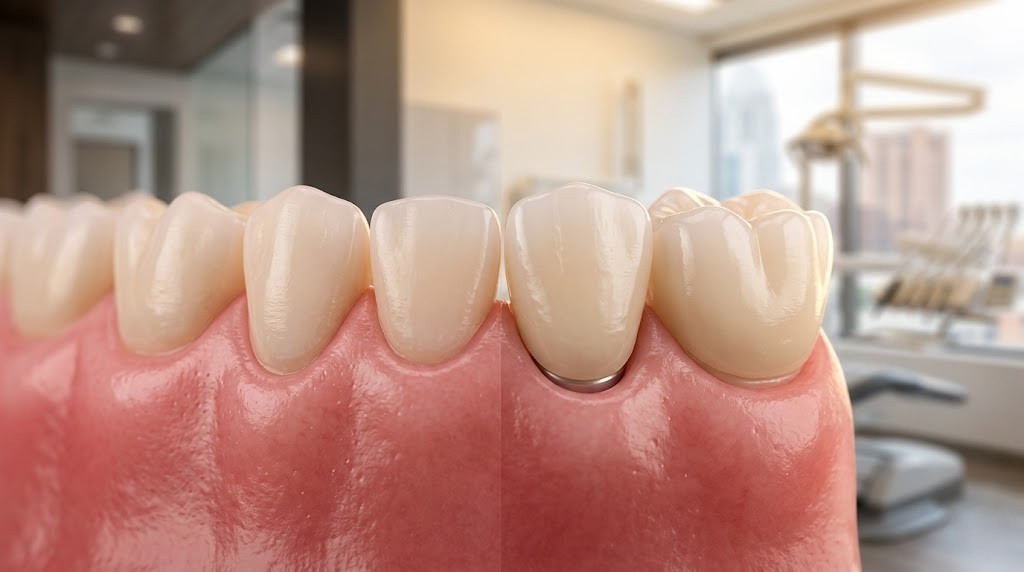
Maintaining optimal oral health is more than just keeping your teeth clean. It involves taking care of both your teeth and gums. Healthy gums are the foundation for a healthy smile, and when gum disease sets in, it can jeopardize the health of your teeth and overall well-being. This is why periodontal treatment and restorative care are essential components of a complete dental care plan.
Periodontal treatment addresses gum disease, preventing tooth loss and preserving your gum health. Restorative care focuses on repairing or replacing damaged or missing teeth, ensuring proper function and appearance. These two areas go hand-in-hand, and understanding the signs that indicate the need for both can help you prevent long-term oral health issues.
In this blog, we’ll dive into the signs you may need treatment and care, how the two complement each other, and the best practices for maintaining a healthy smile.
What is Periodontal Treatment and Restorative Care?
Periodontal treatment focuses on the prevention and treatment of gum disease, which affects the tissues surrounding your teeth. Gum disease can range from gingivitis, the mildest form, to periodontitis, which can result in tooth loss if untreated.
This treatment may involve deep cleaning procedures, such as scaling and root planing, which remove plaque and tartar below the gum line. For more advanced cases, treatments like gum grafting or laser therapy may be recommended to restore gum tissue or treat infection.
Restorative Care refers to the procedures used to repair or replace damaged or lost teeth. This includes treatments like fillings for cavities, crowns to restore damaged teeth, bridges to replace missing teeth, and dental implants for a more permanent solution. Restorative care not only improves the appearance of your smile but also restores functionality, allowing you to chew and speak normally.
Both periodontal treatment and restorative care are essential for overall oral health. Healthy gums support restorative work, while restoring teeth enhances gum function. If one is neglected, the other may fail, which is why addressing both is key to maintaining long-term oral health.
Signs You May Need Periodontal Treatment
There are several telltale signs that you may need periodontal treatment in Skokie. Recognizing them early can prevent further damage and help you maintain a healthy smile.
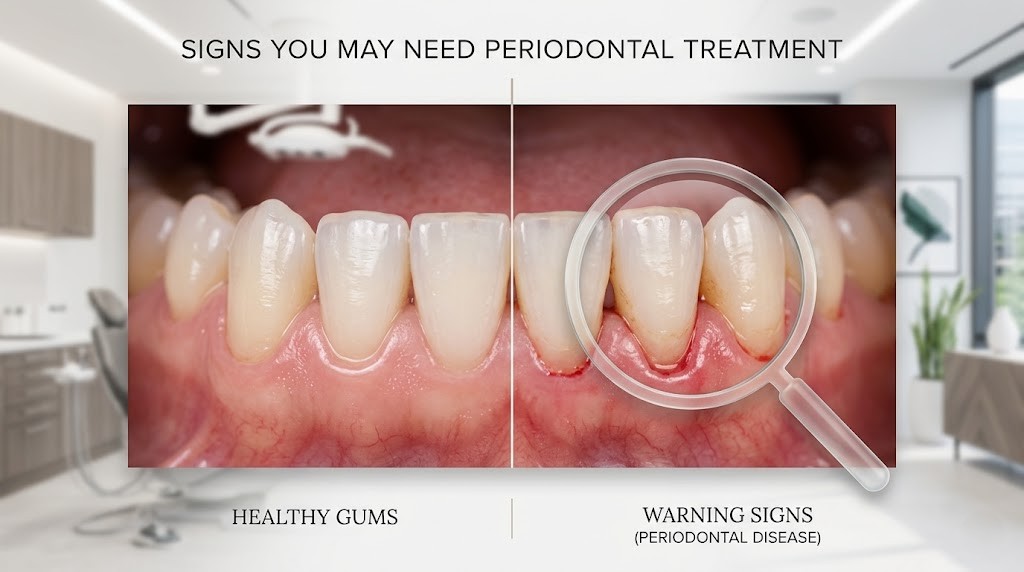
Bleeding Gums
If your gums bleed when brushing or flossing, it’s often a sign of gum disease symptoms. Healthy gums should not bleed, so this is an indication that plaque has built up, causing inflammation. This early sign can lead to more severe gum issues if left untreated.
Persistent Bad Breath
Ongoing bad breath or a bad taste in your mouth may be linked to gum disease. As bacteria accumulate in the gums, they can cause an unpleasant odor. If brushing doesn’t alleviate this, a visit to your dentist is essential to prevent further gum deterioration.
Receding Gums
If your gums appear to be pulling away from your teeth, it could mean your gums are receding. Gum recession exposes the tooth roots, making them more susceptible to decay and sensitivity. Left untreated, this can weaken your teeth’s foundation and increase the risk of tooth loss prevention issues.
Loose Teeth
Advanced gum disease can cause the bone that supports your teeth to deteriorate, leading to loose or shifting teeth. This is a sign that periodontal care is needed to restore gum and bone health.
Swollen or Red Gums
Inflamed, swollen, or red gums often indicate infection. These symptoms are linked to gum disease, and addressing them early with proper treatment can help you avoid complications such as tooth loss.
When You May Need Restorative Care
While periodontal treatment is essential for gum health, restorative care is crucial when teeth become damaged or lost. Here are some signs you may need restorative treatment:
Tooth Sensitivity
Tooth sensitivity to hot, cold, or sweet foods can be a sign of decay or damage. This can also occur if your gums have receded, exposing the roots. Restorative treatments like fillings or crowns can address these issues and alleviate sensitivity.
Chipped or Cracked Teeth
Chipped or cracked teeth are vulnerable to further damage and decay. Restorative treatments such as dental bonding or crowns can restore the shape, strength, and function of the tooth, preventing further deterioration.
Missing Teeth
If you have one or more missing teeth, dental implants or bridges can restore both the appearance and function of your smile. Missing teeth can lead to other oral health issues, such as shifting teeth or difficulty chewing, so restorative care is essential.
Severe Decay
When tooth decay progresses, it can reach the pulp, causing pain and infection. Root canal therapy and crowns are often necessary to save the tooth from extraction and restore its strength and function.
The Connection Between Periodontal Treatment and Restorative Care
Periodontal treatment and restorative care are deeply interconnected. If gum disease is left untreated, it can cause the gums and bone that support your teeth to weaken. This compromises the success of restorative procedures, such as dental crowns after gum treatment or dental implants. For example, if the gums are infected or receding, placing a crown or implant may not be successful, as there may not be enough healthy tissue to support the restoration.
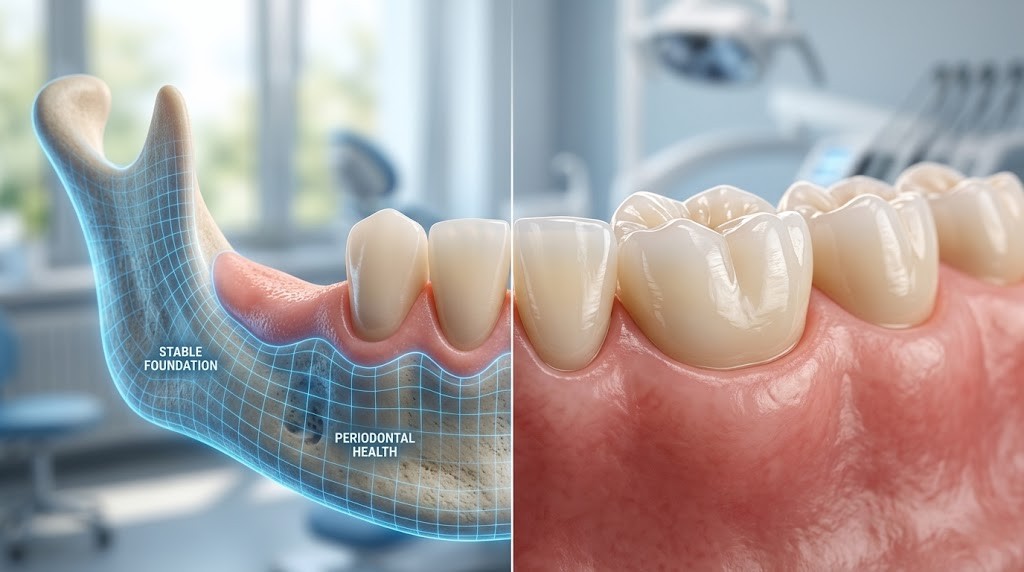
By treating gum disease first, you ensure that your gums are healthy and stable, creating a solid foundation for restorative procedures. Once the periodontal issues are addressed, restorative treatments are more effective and have a higher chance of lasting longer. This approach also reduces the risk of further complications and ensures that both your gums and teeth remain healthy.
What to Expect During Periodontal Treatment and Restorative Care
When you visit Skokie Dental for periodontal or restorative care, you can expect a thorough examination. The dentist will assess the health of your gums and teeth, possibly using X-rays to check for bone loss or cavities.
Periodontal Treatment
For mild gum disease, your dentist may perform a professional cleaning, scaling, and root planing to remove plaque and tartar from below the gum line. More advanced treatments, such as gum grafting or laser therapy, may be recommended to restore gum tissue and address deeper infection.
Restorative Care
Restorative treatments vary based on the condition of your teeth. If you need a filling, the decayed part of your tooth will be removed and replaced with a durable material. For more severe cases, such as root canals or crowns, the dentist will ensure the tooth is cleaned, shaped, and covered to restore its strength and function.
Pain management options like local anesthesia are available to ensure you’re comfortable during the procedure. After treatment, you’ll receive instructions on how to care for your teeth as they heal.
Benefits of Timely Treatment
Addressing periodontal and restorative issues early can have significant benefits. Early detection of gum disease and tooth decay can prevent tooth loss and reduce the need for complex procedures. By acting quickly, you can save your natural teeth, avoid invasive treatments, and save money in the long run.
Timely periodontal treatment in Skokie also helps prevent the progression of gum disease, which can lead to tooth loss and bone deterioration. With proper restorative care, you can restore the function and appearance of damaged or missing teeth, boosting both your oral health and confidence.
Ultimately, addressing issues early not only protects your smile but also ensures that your mouth remains healthy and functional for years to come.
How to Prevent Periodontal Problems and Avoid the Need for Extensive Restorative Care
Preventing periodontal issues is the best way to avoid the need for extensive restorative care. Here are some essential habits for maintaining healthy gums and teeth:
- Brush and Floss Regularly: Brushing twice a day and flossing daily helps remove plaque and prevent gum disease.
- Regular Dental Checkups: Routine visits to Skokie Dental allow your dentist to detect any early signs of gum disease or decay.
- Healthy Diet: Eating a balanced diet rich in vitamins and minerals supports gum health and helps prevent tooth decay.
- Quit Smoking: Smoking increases the risk of gum disease and slows the healing process after treatment.
By incorporating these habits into your daily routine and scheduling regular checkups, you can keep your smile healthy and avoid the need for extensive restorative care.
Your oral health is vital to your overall well-being, and periodontal treatment and restorative care are essential for maintaining a healthy smile. If you’re experiencing signs of gum disease or have damaged or missing teeth, don’t wait. Schedule an appointment with Skokie Dental today. Our professional team is here to provide personalized care that will help restore and maintain your smile.
People Also Ask
Can I get restorative care if I have gum disease?
It’s best to treat gum disease first. Once your gums are healthy, restorative treatments like fillings, crowns, or implants will be more effective.
How often should I visit the dentist for periodontal care?
Routine checkups every 6 months are recommended, but if you have gum disease, more frequent visits may be necessary for monitoring and treatment.
How long does recovery take after periodontal treatment?
Recovery time varies, but most patients experience mild discomfort for a few days. Your dentist will provide instructions to ensure proper healing.
Will I need restorative care after periodontal treatment?
Depending on the severity of the damage, restorative care may be necessary to repair teeth that have been affected by gum disease or decay.
Can I avoid gum disease with good oral hygiene?
Yes! Regular brushing, flossing, and dental visits are key to preventing gum disease and maintaining overall oral health.